
Summary
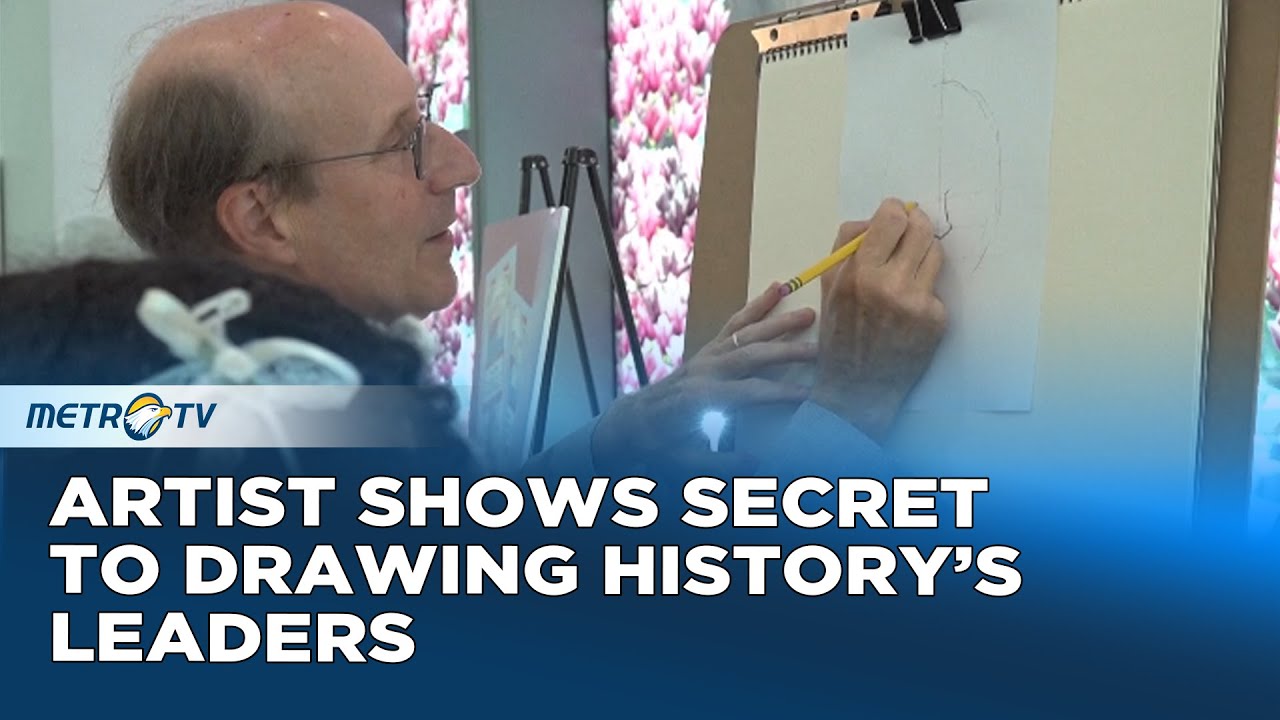
An art history professor from North Carolina has unveiled a unique technique for drawing portraits of every U.S. president and first lady, simplifying the process into just four steps. This method not only aims to make portraiture more accessible but also serves as a creative way to engage with American history. By blending art education with historical appreciation, this approach could inspire a new generation of artists and historians alike. The professor's work highlights the intersection of art and politics, demonstrating how visual representation shapes our understanding of leadership.
Key Takeaways
- An art history professor has developed a four-step method for drawing U.S. presidents and first ladies.
- The technique aims to make portraiture accessible to a wider audience.
- Critics worry that simplification may undermine traditional artistic skills.
- The method could foster greater engagement with American history among students.
- Its long-term impact on art education remains to be seen.
Balanced Perspective
The professor's method presents a straightforward approach to drawing that could appeal to a wide audience, from novice artists to seasoned professionals. While the technique is innovative, it remains to be seen how widely it will be adopted and whether it will significantly impact art education or historical engagement. The blending of art and history is not new, but this specific method's effectiveness in enhancing understanding of U.S. presidential history is yet to be evaluated. The initiative reflects ongoing trends in education that prioritize interdisciplinary learning.
Optimistic View
This innovative drawing method could democratize art education, allowing more people to engage with the history of the presidency through a creative lens. By breaking down complex portraiture into manageable steps, it encourages artistic expression and historical inquiry among students and enthusiasts alike. The potential for this approach to be integrated into educational curriculums could foster a deeper appreciation for both art and history, making it a valuable tool for educators and learners. It also opens doors for future collaborations between artists and historians, enriching cultural narratives.
Critical View
Critics may argue that simplifying the process of drawing portraits risks undermining the complexity and skill involved in traditional portraiture. This method could lead to a superficial understanding of both art and history, where the nuances of each president's legacy are lost in a formulaic approach. Additionally, there is a concern that this technique may not resonate with serious art students or historians who value depth and rigor in their studies. The challenge will be to ensure that this method does not replace more comprehensive artistic training or historical analysis.
Source
Originally reported by AP News